Can You Get Solar Panels Installed for Free?
Can you really have solar panels installed for free? The honest answer is more complicated than most advertisements suggest. “Free” often means no upfront payment, not a cost-free system. A company may install and maintain the panels while you sign a solar lease or power purchase agreement. You then pay for the electricity produced, usually for a fixed contract period.
Vikram Aggarwal, founder and chief executive of EnergySage, explains the central issue clearly: “Free solar usually means no upfront payment, not no cost.” His point deserves attention. A homeowner may avoid installation expenses, but the agreement can include monthly payments, annual price increases, buyout terms, or a long commitment. The roof still matters, too. Shade from a nearby tree can reduce savings, even when the sales pitch sounds perfect.
This guide examines the meaning behind solar panels installed for free. It considers leases, PPAs, government incentives, and legitimate local assistance programs. It also explains how to compare total costs against purchasing a system outright. Read the contract carefully. Ask who owns the equipment, who receives available incentives, and who pays for repairs after severe weather.
Some promises may appear too simple. They sometimes are. A free installation can still be useful for the right household, especially when cash is limited. However, the best choice depends on electricity rates, roof condition, credit requirements, and how long you expect to live there. I would not accept the word “free” without checking every number.
What “Free Solar” Means: $0-Down Leases, PPAs, and Incentives
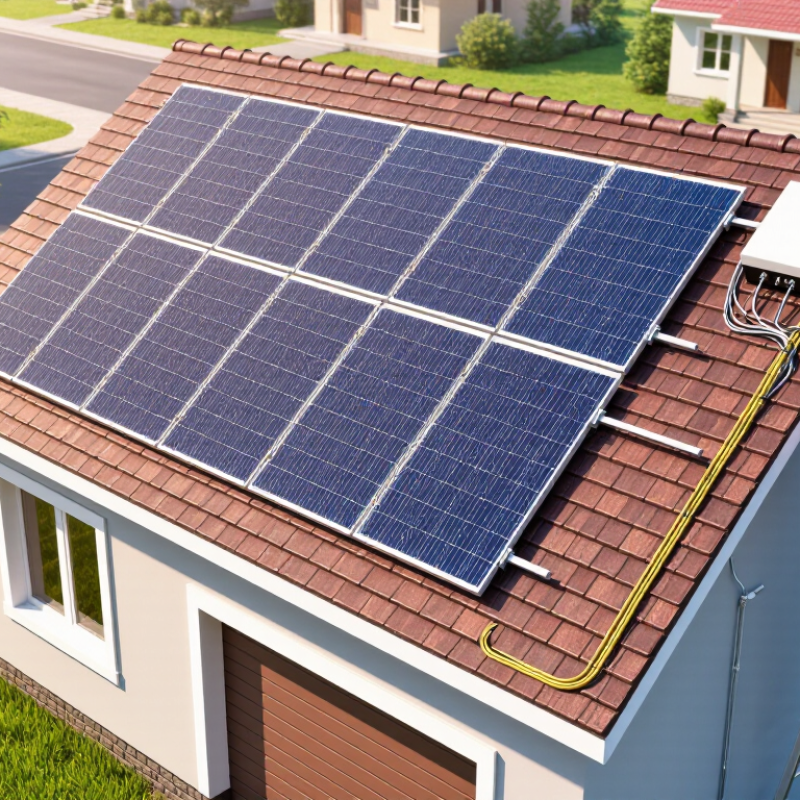
“Free solar” rarely means free electricity or free equipment. It usually means no upfront payment through a lease or power purchase agreement (PPA). Under a lease, you pay a fixed monthly amount for using the panels. With a PPA, you pay for the electricity the system produces. The provider generally owns, monitors, and maintains the equipment. Your roof may show new panels, but ownership stays elsewhere. That difference matters when selling your home, replacing the roof, or ending the contract early.
Federal, state, and local incentives can reduce solar costs, but eligibility varies. Some incentives benefit the system owner, not the homeowner. Read the contract carefully. Check annual payment increases, production estimates, repair duties, insurance requirements, and transfer rules. Ask how shade, storms, or equipment failure affect your bill. A lower first-year payment can become expensive over time. The wording may feel confusing. That is a warning sign, not a reason to rush.
Tips: Request a complete cost comparison for cash, financing, leasing, and a PPA. Compare the total expected payments, not only the monthly figure. Confirm whether savings depend on utility rates rising. Ask for recent production records from similar local installations. Keep every promise in writing. I would also pause before signing. My first review might miss something, especially in a long contract. A qualified energy adviser or licensed attorney can explain unclear terms without choosing a provider for you.
The 30% Federal Tax Credit and Its Effect on Solar Installation Costs
Can You Get Solar Panels Installed for Free? Usually, no. The 30% federal tax credit can reduce your effective cost, but it does not erase the installation bill. When available under federal law, the credit generally applies to qualifying solar equipment and certain installation expenses. A $24,000 system could represent a potential $7,200 tax credit. That is a tax reduction, not an upfront discount.
Your tax situation matters. The credit is generally nonrefundable, so it cannot exceed your federal income tax liability for the applicable year. Unused amounts may be carried forward under current rules, but homeowners should confirm this with a qualified tax professional. Keep the signed contract, invoices, permit records, and proof of payment. Small paperwork gaps can delay a claim.
The system must also meet eligibility requirements. Equipment location, installation timing, and property use may affect qualification. Battery storage can have separate requirements. Local rebates and utility incentives may lower the price further, but they can change the tax basis used for federal calculations. That detail is easy to miss. A professional installer can estimate savings, yet only tax documentation determines your credit. The final cost may still include roof repairs, electrical upgrades, permits, or financing charges. The math looks simple. The real invoice often is not. Check current IRS guidance before signing, because federal incentive rules can change.
Solar Leases vs. PPAs: Compare $/kWh, Escalators, and 20–25-Year Terms
Can You Get Solar Panels Installed for Free?
A “free” solar installation usually means no upfront payment, not free power. Under a solar lease, a provider owns the equipment, while you pay a fixed monthly charge. A power purchase agreement, or PPA, charges you for each kilowatt-hour your system produces. The difference matters when your roof produces less energy than expected.
NREL’s 2024 residential solar cost benchmark places typical photovoltaic system costs near $2.68 per watt, before incentives and financing. That figure helps explain why providers advertise zero-down offers. However, the retail electricity rate is only one comparison point. A PPA may begin near $0.12–$0.18 per kWh in some markets, but local quotes vary considerably. Check the actual contract.
Escalators deserve careful attention. A 2.9% annual increase can raise a $0.15 starting rate above $0.26 after 20 years, even before utility prices change. Some leases use fixed monthly payments, while others increase annually. Berkeley Lab’s Tracking the Sun reports show that third-party ownership remains an important residential financing route, with long contract commitments common. Terms often run 20–25 years.
Read the cancellation and transfer clauses. Selling your home may require a buyer to assume the agreement. Production guarantees can also exclude shading, weather, or equipment downtime. I would compare the provider’s total projected payments against current utility bills, not just the first-year price. A low opening rate can still become expensive.
Eligibility Factors: Roof Condition, Credit Scores, and Net-Metering Rules
Can You Get Solar Panels Installed for Free?
“Free” solar installation usually means no upfront payment, not zero cost. A provider may own the system and charge monthly lease or power-purchase payments. Roof condition is often the first screening point. Installers check shingles, flashing, shade, and structural strength. A roof nearing replacement can delay approval or create added expenses. Ask for inspection findings in writing. This small step is easy to overlook.
Credit scores and payment history may affect approval, deposits, or contract pricing. Some programs accept weaker credit, but terms can become less flexible. Net-metering rules matter just as much. These rules determine how your utility values excess electricity sent to the grid. Some areas offer full credits, while others apply lower rates or monthly limits. Policies can change, so check the current utility tariff and local regulations. The word “free” can hide important trade-offs. I once underestimated how much contract length could influence the real value.
Tips: Compare the total contract cost with expected energy savings. Request roof repairs separately, if needed. Confirm who handles maintenance, insurance, and system removal. Ask what happens if you sell the home. Have a qualified installer explain production estimates using your roof’s actual shade patterns, not a generic example. Get every promise in writing.
Can You Get Solar Panels Installed for Free?
Roof condition, credit history, and local net-metering rules can affect eligibility for a $0-upfront solar lease, power purchase agreement, or financing offer. However, there is no universal credit-score cutoff, roof-age limit, or net-metering requirement across the United States.
The chart uses a value of 0 to indicate that no single nationwide numeric threshold applies. In practice, installers and lenders review whether the roof is structurally sound and suitable for the expected system life, assess credit and payment history under their own criteria, and follow the customer’s utility and state rules for exporting excess electricity. “Free installation” usually means no upfront payment, not that the system has no long-term cost.
Ownership and Savings: 25-Year Panel Life, Payback, and Transfer Terms
Can You Get Solar Panels Installed for Free?
“Free solar” usually means no upfront payment, not no cost. A lease or power purchase agreement may cover installation, while you pay monthly rent or a fixed rate for electricity. You may save money, but savings depend on sunlight, roof condition, utility prices, and contract charges. Ask for a written estimate using your actual electricity bills. Promised savings can look attractive. Real results may differ.
Most panels are designed to operate for about 25 years, although production gradually declines. The inverter may need replacement earlier, creating an expense that advertisements sometimes understate. Ownership can offer greater long-term savings after the payback period, often around 7 to 14 years, but your location and financing terms matter. A purchased system may also increase your responsibility for maintenance, monitoring, and repairs. I would not assume every repair is included.
Tips: Compare total payments, not just monthly prices. Check degradation assumptions and estimated annual output. Confirm who owns renewable energy credits and incentives. Read roof-removal, insurance, maintenance, and cancellation clauses carefully. If you sell the home, the contract may require the buyer to qualify and accept the agreement. Otherwise, you might pay a transfer fee or repay the remaining balance. Ask what happens if the system underperforms. A qualified installer should explain these terms in plain language and provide performance records, not only projections.