Top 10 Tips for Choosing a Solar MPPT Controller?
Choosing the right Solar MPPT controller is crucial for optimizing solar power systems. According to a report by the International Renewable Energy Agency (IRENA), solar energy capacity is expected to increase by 1000% by 2050. This growth amplifies the need for efficient energy management. Industry expert Dr. Emily Tran states, "A well-chosen Solar MPPT controller maximizes energy harvest and system life."
When selecting a Solar MPPT controller, factors like efficiency, price, and compatibility matter. Research shows that the efficiency of MPPT controllers can significantly impact energy yield, sometimes by as much as 30%. Many users overlook the importance of these details, leading to suboptimal performance. Choosing a controller based solely on immediate cost can be shortsighted.
Some may be tempted to prioritize brand names or flashy features over actual utility. It's vital to understand what features matter most, such as input voltage range and thermal performance. A poorly chosen Solar MPPT controller can hamper energy output and increase maintenance costs. Being informed and deliberate can prevent costly mistakes.
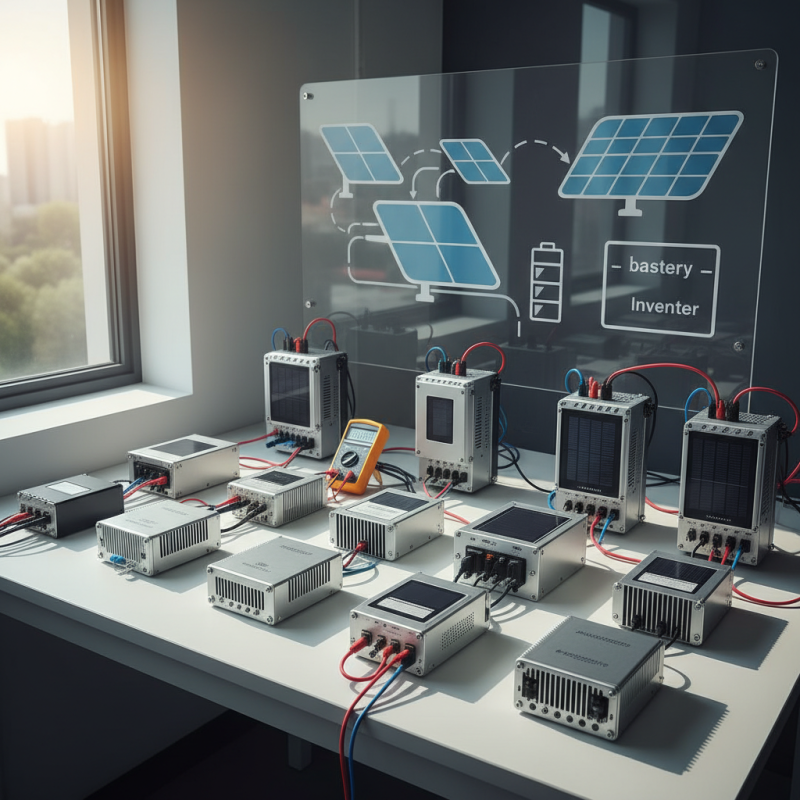
Understanding Solar MPPT Controllers and Their Importance
Solar MPPT controllers play a crucial role in optimizing energy production from solar panels. They capture maximum power while adjusting the voltage and current for efficient charging. Understanding these controllers is essential for anyone diving into solar energy.
When selecting an MPPT controller, consider the solar panel's specifications. Ensure the controller can handle the panel's voltage and current. A mismatch can lead to inefficiencies or even damage.
Another critical aspect is the controller's efficiency rating. Higher efficiency means more energy harvested. Look for a product with at least 95% efficiency. This can significantly affect the overall performance of your solar system.
Pay attention to the features offered. Some controllers come with additional options like USB ports or integrated displays. These can enhance usability but may also complicate the system. Not every feature is necessary; find what fits your needs. Always weigh the benefits against the complexity it brings.
Evaluating the Power Rating and Capacity for Your System
When evaluating the power rating and capacity of a solar MPPT controller, consider your system's total energy needs. Calculate how much power your solar panels can produce. This information is vital. It determines the MPPT controller's capacity. You want to maximize efficiency, right?
One tip is to match the controller’s rating with your solar array's max voltage and current. If there's a mismatch, performance may drop. Another point to ponder is future expansion. Are you planning to add more panels later? If so, choose a controller with a higher capacity. This decision can save you money in the long run.
Always check the technical specifications carefully. Look for the maximum input voltage and current ratings. These often differ from advertised ratings. Understanding these details can prevent costly errors. Don't overlook the importance of proper installation. Misconnections can lead to ineffectiveness. Such mistakes often occur due to haste or inexperience. Reflect on the aspects you might overlook.
Top 10 Tips for Choosing a Solar MPPT Controller
| Tip Number | Important Factor | Description | Recommended Value |
| 1 | Power Rating | Ensure the controller can handle the total wattage of your solar panels. | At least 20% above total panel output |
| 2 | Input Voltage Range | Check the voltage range for compatibility with your system. | Match solar panel VOC specifications |
| 3 | Efficiency Rating | Higher efficiency means better performance in low light. | Above 95% is ideal |
| 4 | Temperature Range | Ensure the controller operates effectively in your climate. | -30°C to 60°C is preferable |
| 5 | Features | Look for features like remote monitoring and data logging. | Remote monitoring capability |
| 6 | Battery Compatibility | Ensure compatibility with your battery type (Lithium, SLA, etc.). | Support for your battery type |
| 7 | Warranty | A good warranty can indicate product quality and longevity. | At least 2-5 years |
| 8 | User Reviews | Reading user feedback can provide insights into real-world performance. | Check multiple sources |
| 9 | Size and Form Factor | Ensure the controller fits your installation space. | Compact design is preferable |
| 10 | Cost | Balance between features and cost for value. | Fit within budget while meeting needs |
Considering Efficiency Ratings and Performance Under Different Conditions
When choosing a solar MPPT controller, efficiency ratings play a crucial role. Different controllers perform differently under varying conditions. A unit that excels in sunny weather might struggle on cloudy days. Look for controllers with a strong track record. This can give you peace of mind.
Tip: Research the product's maximum efficiency rating. A rating of over 95% is generally considered good. Efficient units convert more solar energy into usable power. This can save you money in the long run.
Remember to consider temperature coefficients too. High heat can reduce the efficiency of certain models. Some controllers may not work well in extreme temperatures. Test feedback from actual users can be insightful.
Take note of how each controller reacts in real-world conditions. Some might promise great performance but fall short in actual use. Reviews and detailed specifications can help clarify these discrepancies. Choosing the right solar MPPT controller is not simply about numbers; it requires deeper evaluation.
Assessing Compatibility with Solar Panels and Battery Systems
When selecting a solar MPPT controller, compatibility with solar panels and battery systems is crucial. MPPT controllers optimize energy output. However, different solar panels have varying voltage and current specifications. It's vital to match the voltage range of the MPPT with the panel’s output. A mismatch can lead to inefficiencies. For instance, a study by the National Renewable Energy Laboratory shows that improper matching can reduce energy harvest by up to 20%.
Battery compatibility is equally important. Many systems use lithium-ion or lead-acid batteries, both with unique charging requirements. The MPPT should support the specific battery chemistry. A report from the International Energy Agency indicates that up to 30% of solar power systems fail due to battery incompatibility. This highlights the need for careful selection in components.
Potentially overlooked factors include the environment and installation location. Some controllers may perform poorly in extreme temperatures. Additionally, some users ignore system expansions; if plans change, having a flexible MPPT can save costs. Not considering future growth can lead to costly upgrades.
Exploring Additional Features and Smart Technology Integration
When choosing a solar MPPT controller, integrating smart technology can significantly enhance functionality. Look for features like Bluetooth connectivity. This allows for easy monitoring and control through your smartphone. You can access real-time data, which helps in making informed decisions about energy use.
Another vital aspect is data logging. A good controller will track performance metrics over time. This can be useful, but sometimes it can create information overload. It’s important to know which metrics truly matter to your energy goals. Some controllers might offer cloud integration. This option provides access from anywhere, yet it raises concerns about data privacy.
Consider the adaptability of the controller. Some advanced models sync with apps for energy management. These systems can automate functions based on your habits. However, the implementation can be complex and might require technical support. Make sure you understand the user interface. Usability is key, especially for those not tech-savvy. Balancing advanced features with simplicity is crucial for effective use.
Top 10 Tips for Choosing a Solar MPPT Controller
This chart illustrates the importance of various features in selecting a solar MPPT controller based on user preferences.