Why Are Solar Panels Popular in Southern California?
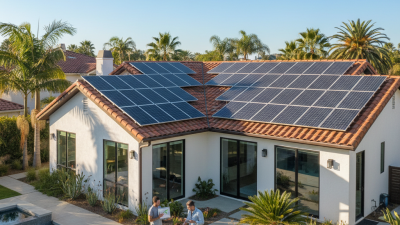
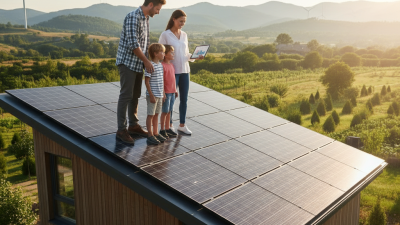
In Southern California, solar panels have gained immense popularity. The region's abundant sunshine creates an ideal environment for harnessing solar energy. Homeowners see solar panels as a way to reduce energy bills and reliance on the grid.
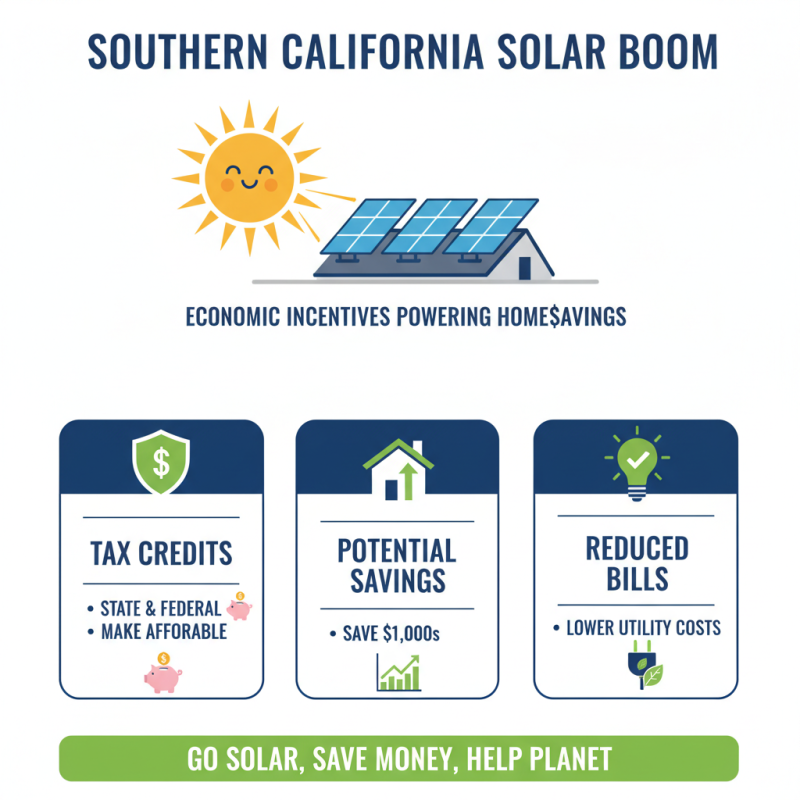
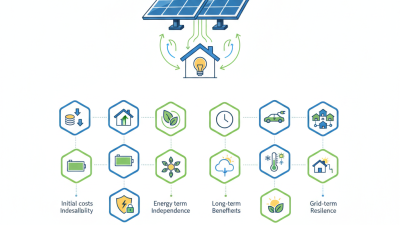
With the rising cost of electricity, many families are considering solar panels in Southern California. They help cut monthly expenses. However, the initial investment can be a hurdle for some. Incentives and rebates sometimes ease this burden, but not everyone takes advantage of them.
Environmental concerns also play a role in the growing interest in solar energy. People want to reduce their carbon footprint. Solar panels contribute to cleaner air and a healthier planet. Still, the installation process can be daunting. Homeowners often wonder if they will choose the right company or system. This uncertainty leaves many reflecting on their choices.
The Abundance of Sunshine: Solar Potential in Southern California
Southern California is renowned for its impressive sunshine. With over 300 sunny days a year, this region holds significant solar energy potential. According to the National Renewable Energy Laboratory, Southern California can generate an average of 5.8 kilowatt-hours of solar energy per square meter daily. This solar capacity makes the area an ideal candidate for solar power installations.
The increased popularity of solar panels is closely tied to this abundant sunshine. Many homeowners have caught on to the potential savings. The Solar Energy Industries Association reports that California leads the nation in solar installations, with over 1.4 million residential systems to date. Yet, the transition isn't without challenges. Despite the benefits, many homeowners are still hesitant due to high upfront costs and changing regulations.
While solar panels promise a sustainable energy future, some drawbacks exist. Not every household can benefit equally. Properties with shaded roofs or complex installation needs may struggle to gain from solar tech. This represents not just a technical issue but also an equity challenge. Access to solar energy should be available to all, but disparities remain. The journey toward widespread solar adoption is ongoing, requiring continuous education and policy support to overcome these barriers.
Why Are Solar Panels Popular in Southern California?
| Year |
Average Solar Irradiance (kWh/m²/day) |
Installed Solar Capacity (MW) |
Annual Solar Energy Production (GWh) |
% Residential Solar Adoption |
| 2020 |
5.7 |
10,000 |
18,000 |
17% |
| 2021 |
5.8 |
12,000 |
20,000 |
19% |
| 2022 |
5.9 |
14,000 |
23,000 |
21% |
| 2023 |
6.0 |
16,000 |
26,000 |
23% |
Energy Independence: Reducing Reliance on Fossil Fuels with Solar Energy
In Southern California, solar panels have gained traction due to energy independence. Many residents seek ways to reduce their reliance on fossil fuels. The region is blessed with abundant sunlight, making solar energy a viable alternative. According to the U.S. Energy Information Administration, about 20% of California's electricity now comes from solar power. This number is expected to rise.
Tips: Consider local incentives for solar installations. Many utility companies offer rebates that can lower installation costs.
Another factor is the environmental impact. Using solar panels can significantly reduce greenhouse gas emissions. A solar system can offset up to 100,000 pounds of CO2 over its lifetime. That is equivalent to removing about 10 cars from the road each year. Yet, some may still doubt solar energy's efficiency during cloudy weather.
Tips: Think about battery storage options. This allows for energy use even on less sunny days.
While the future of solar is bright, challenges remain. Initial costs can deter homeowners. Some may question the long-term benefits. However, with technological advancements, solar panel effectiveness continues to improve. It’s clear that transitioning to solar can play a vital role in achieving energy independence.
Environmental Impact: Decreasing Carbon Footprint through Solar Power
Solar power is reshaping landscapes in Southern California. This region, with over 300 sunny days a year, is ideal for harnessing solar energy. The environmental impact is significant. According to a 2022 report by the U.S. Energy Information Administration, solar energy could reduce carbon emissions by up to 1 billion metric tons by 2030. The push for cleaner energy solutions is vital in areas suffering from air pollution and climate change.
Adopting solar panels means less dependence on fossil fuels. Southern California residents can decrease their carbon footprint dramatically. Studies show that a typical residential solar system can reduce greenhouse gas emissions by around 100 tons over its lifetime. However, challenges remain. High initial costs can deter some homeowners. Additionally, the recycling of solar panels at the end of their life cycle is still in development. This presents an opportunity for further innovation in green technology.
As solar energy gains popularity, more questions arise. How sustainable is this growth? What measures must be taken to ensure long-term benefits? While the potential is clear, the journey towards completely green energy requires ongoing efforts. Exploring solutions is essential for a cleaner planet.
Technological Advancements: The Rise of Efficient Solar Panel Systems
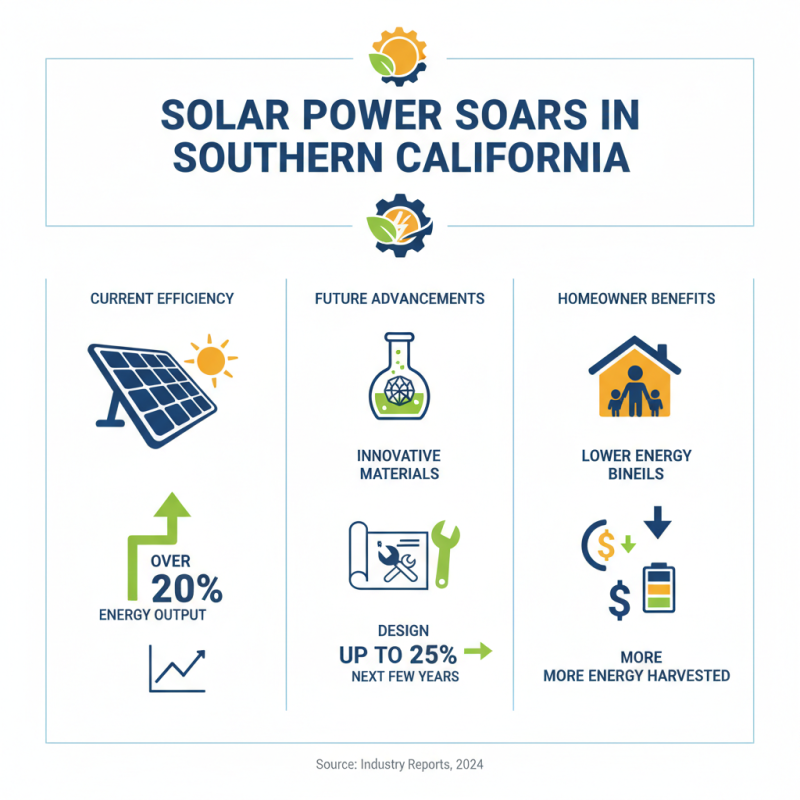
The rapid technological advancements in solar panels make them increasingly appealing in Southern California. New solar panel systems boast efficiency rates exceeding 20%, significantly improving energy output. Reports indicate that these efficiencies could rise to 25% in the next few years due to innovative materials and design enhancements. For homeowners, this means more solar energy harvested, leading to lower energy bills.
The affordability of solar technology also plays a role. Average installation costs have dropped by nearly 70% since 2010. A recent study notes that homes with solar panels saw a property value increase of about 4%. Yet, the adoption of solar can still be challenging. Not all homes are suitable for installation. Factors like roof orientation and shade must be considered. Some homeowners may face confusion over incentives and financing options, which can deter them from making the switch.
As energy demands rise, the role of efficient solar systems becomes crucial. The Energy Information Administration predicts that solar energy could supply 20% of the nation’s energy by 2030. Southern California can leverage this growth. Citizens must stay informed about the best options available. The path to a solar-powered future is promising, but it requires careful planning and understanding.