How to Install Your Own Solar Panels for a Sustainable Future?
In today’s world, installing solar panels is a powerful step towards sustainability. Many homeowners consider taking this initiative. The desire to harness renewable energy is growing. Yet, people often underestimate the challenges involved when they decide to install your own solar panels.
This process can seem daunting but also rewarding. You’ll need to assess your roof's suitability. Understanding local regulations is crucial too. You might face unexpected complexities. For instance, installation costs can vary widely. Sometimes, DIY methods lead to mistakes that require professional help later.
However, the benefits are compelling. You can significantly reduce your electricity bills and contribute to a greener planet. It's essential to weigh the pros and cons before diving in. Installing your own solar panels is not just about achieving energy independence; it's about helping the environment and saving money in the long run. Your journey may have bumps, but the impact of your choice is significant.
Understanding Solar Energy and Its Benefits
Solar energy is increasingly recognized as a vital resource for a sustainable future. It converts sunlight into usable electricity, reducing reliance on fossil fuels. This shift can lower carbon footprints and promote cleaner air. Benefits extend beyond environmental impact; they also include financial savings. With time, solar panels can significantly reduce electricity bills.
Understanding how solar panels work is crucial. They capture sunlight using photovoltaic cells. Sunlight excites electrons in these cells, creating an electric current. However, installing solar panels is not without challenges. Factors like location, roof angle, and weather can affect efficiency. It’s important to assess these elements before making a decision.
Many homeowners face obstacles during installation. Misjudgments about space or panel orientation can lead to decreased energy production. Some might overlook local regulations or zoning laws. These pitfalls require careful planning. It’s helpful to learn from others’ experiences to avoid common mistakes. Embracing solar energy is a journey filled with learning opportunities. The long-term benefits could be transformative.
Choosing the Right Solar Panels for Your Needs
When choosing the right solar panels, consider your energy needs. Start by assessing your household consumption. Look at past electricity bills. This gives you a clear picture of how much energy you use. A solar panel system should meet or exceed this need for efficiency.
There are various types of solar panels. Monocrystalline panels are efficient but may be pricier. Polycrystalline panels are budget-friendly, but they usually have lower efficiency. Each type has its pros and cons. Reflect on your budget and energy goals before making a final decision. Don’t rush this process.
Installation specifics matter too. Local climate affects panel performance. In sunny areas, you might need fewer panels. Cold climates may require a longer time for installation. It’s essential to ensure your roof is suitable. Roof integrity can be a concern. Take the time to evaluate these details to avoid future issues.
Preparing Your Home for Solar Panel Installation
Preparing your home for solar panel installation
requires careful consideration. Start by assessing your roof.
Is it in good condition? Solar panels can last for decades, so your roof must too. Check for any damage or necessary repairs.
Ensure it can support the weight of the panels.
Tips: Clear any debris from your roof.
Watch for shadows cast by trees or nearby structures. These can reduce energy efficiency.
Next, think about your energy needs.
Analyze your past electricity bills. How much energy do you use monthly? This analysis helps in selecting the right size of the solar panel system.
You might want to consult with professionals, but doing your research is important.
Tips: Consider the orientation of your roof.
South-facing roofs usually receive the most sunlight. If your home has a flat roof, consider tilt brackets to maximize exposure.
Safety is another key factor. Ensure that any installation work meets local regulations. Check if permits are required in your area.
Proper preparation can lead to a more efficient installation process. Make sure to communicate clearly with any contractors involved.
Step-by-Step Guide to Installing Solar Panels
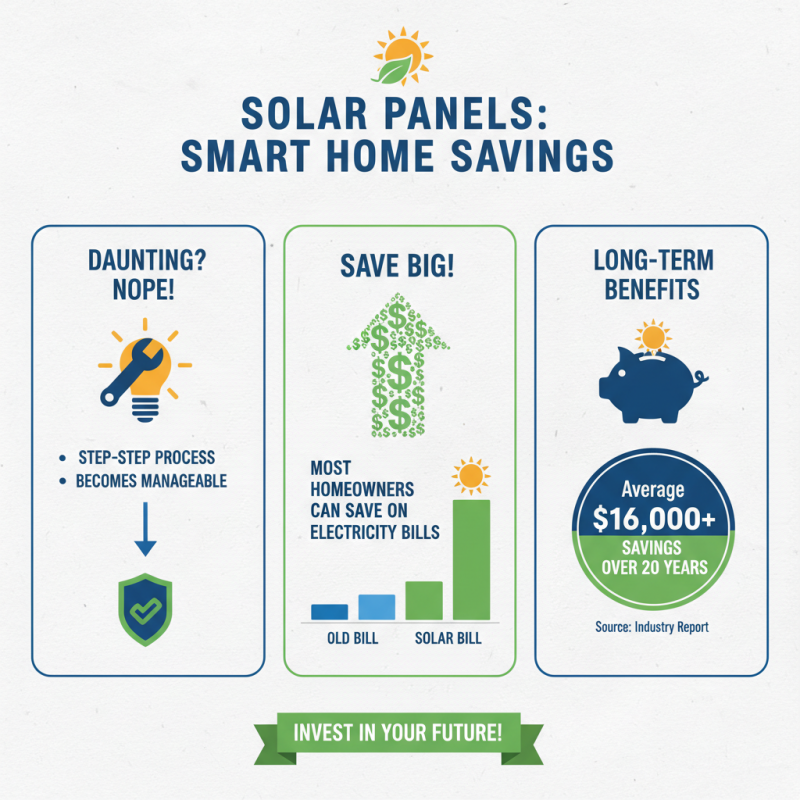
Installing solar panels can seem daunting. However, with the right steps, it becomes manageable. Most homeowners can save significantly on their electricity bills. A report indicates that solar energy can save households an average of $16,000 over 20 years. This data illustrates the long-term financial benefits of going solar.
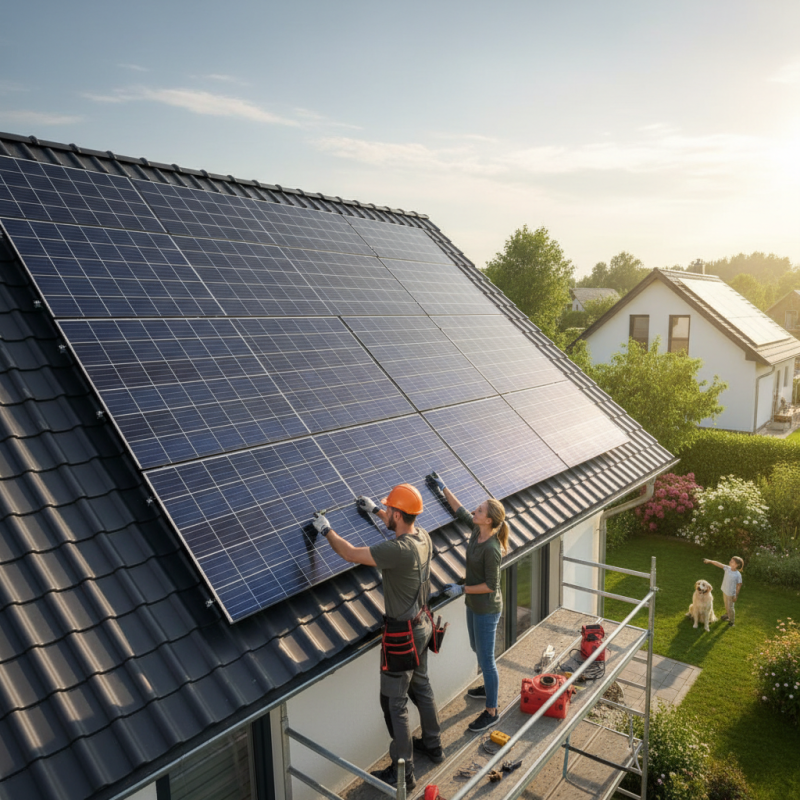
Begin with assessing your roof's suitability. Check if it gets ample sunlight. Clear any obstructions like trees or chimneys. Next, you need to calculate your energy needs. Review past utility bills, noting your average consumption. This information will guide your panel selection. Remember to consider the panel efficiency rating. Higher efficiency means better performance in less sunlight.
Tips: Ensure you have all necessary permits before proceeding. Lack of permits can lead to fines. You should also seek educational resources. Online forums and local workshops can provide useful insights. Engage with others who have successfully installed panels. It can save you time and mistakes. Remember, patience is key. You may face unexpected challenges. Be ready to adapt your approach as you learn. Embrace the process for a sustainable future.
Maintaining Your Solar Panels for Optimal Performance
Maintaining solar panels is crucial for achieving optimal performance. Regular cleaning is necessary to remove dirt and debris. A study showed that dirty panels can lose up to 25% of their efficiency. Inspecting for damage is just as important. Look for cracks or corrosion, which can lead to energy loss over time.
System performance monitoring allows you to catch issues early. Use a solar monitoring app to track the energy output. Reports indicate that timely maintenance can enhance system efficiency by about 15%. Keep an eye on shading from trees or nearby structures. Even small shifts in sunlight exposure can decrease solar production significantly.
Check your inverter regularly. It's the heart of your solar system. If it malfunctions, your energy production will drop. Annual inspections by a professional can prevent costly repairs. They can identify overlooked issues that might hinder performance. Maintaining solar panels requires diligence, patience, and sometimes difficult conversations about performance expectations. Regular upkeep is not only beneficial; it is essential for your investment.
Solar Panel Performance and Maintenance Timeline