How to Get Solar Energy at No Cost for Your Business?
Solar energy is becoming an essential resource for businesses looking to cut costs and reduce their carbon footprint. A recent report by the International Renewable Energy Agency (IRENA) indicated that solar power could save businesses up to 80% on energy bills over time. The concept of “solar at no cost” is gaining traction, allowing companies to access solar energy without the upfront investment.
Innovative financing models, such as Power Purchase Agreements (PPAs) and solar leasing, enable businesses to install solar systems without an initial cash outlay. These strategies not only make solar energy accessible but also sustainable. According to a study by the Solar Energy Industries Association (SEIA), around 50% of U.S. businesses are now exploring solar options. Despite the clear benefits, some companies still hesitate due to perceived complexity and long-term commitments.
While “solar at no cost” may sound appealing, understanding the terms is crucial. Companies must assess their energy needs and site suitability carefully. There can be hidden costs or contractual obligations that need attention. Therefore, seeking expert advice before proceeding is advisable to ensure the best financial and operational decisions are made.

Understanding Solar Energy and Its Benefits for Businesses
Solar energy presents a significant opportunity for businesses aiming to reduce operational costs. According to the U.S. Department of Energy, solar energy can decrease electricity bills by up to 75%. This shift not only reduces expenses but enhances a company’s sustainability image. Many consumers now prefer businesses that utilize renewable energy. They view these companies as environmentally responsible.
The most appealing aspect of solar energy for businesses is the availability of incentives. Research by the Solar Energy Industries Association indicates that up to 26% of solar system costs can be covered by federal tax credits. Additionally, many states offer their own incentives. These can further reduce the initial investment required for solar installations.
Transitioning to solar energy can seem daunting. Some companies worry about the upfront costs or the complexity of installation. The truth is, many businesses find ways to minimize these challenges. Options such as power purchase agreements (PPAs) allow businesses to use solar power with little to no upfront cost. However, it requires careful planning and research to find the best fit for each specific situation. This approach encourages companies to weigh both the benefits and potential drawbacks before making a commitment.
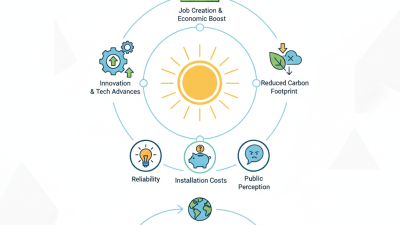
Benefits of Solar Energy for Businesses
Exploring Government Incentives and Tax Credits for Solar Installation
Government incentives and tax credits play a crucial role in making solar energy accessible for businesses. Many states offer rebates for solar installation, lowering initial costs. Businesses can also benefit from federal tax credits, which cover a significant percentage of installation expenses. This is a golden opportunity for companies eager to reduce their energy bills.
Understanding these incentives can be tricky. Requirements may vary by state, and businesses must ensure they meet specific eligibility criteria. This complexity can deter some from exploring options. However, investing time to research local programs is vital. Local energy authorities often provide resources to guide businesses through the application process.
Moreover, some companies report that navigating these incentives was challenging. They faced bureaucratic hurdles and unclear guidelines. Despite these obstacles, the potential savings are compelling. It’s essential to weigh the frustration against the financial benefits. A proactive approach to understanding available incentives can lead to significant long-term savings and environmental benefits.
Evaluating Financing Options for Free Solar Solutions
When considering solar energy for your business, evaluating financing options is crucial. There are various ways to acquire solar systems at no upfront cost. A recent industry report indicated that nearly 70% of businesses explore third-party financing, such as power purchase agreements (PPAs) or leases. These arrangements allow businesses to benefit from solar energy without the burden of initial capital investment.
You might wonder about potential pitfalls. While PPAs can provide savings, they often involve long-term commitments. Additionally, the savings may vary based on energy prices and system performance. Make sure to evaluate these factors carefully.
Tips: Conduct a comprehensive cost analysis. Understanding your energy needs is essential. Compare multiple proposals to identify the best deal.
Consider the tax credits available. The federal solar tax credit allows businesses to deduct a substantial percentage of the installation costs. This incentive can significantly reduce overall expenses, making solar solutions more accessible.
Keep in mind that not all providers offer the same level of service or performance guarantees. Research the background of potential partners. Reviews and industry ratings can help ensure you choose a reliable solution for your business's solar energy needs.
Partnering with Solar Providers for No-Cost Installations
Partnering with solar providers can transform the way your business uses energy. Many companies seek innovative ways to reduce costs. Solar power offers a promising solution. Collaborating with reputable solar providers allows businesses to secure installations at no upfront cost. This partnership is not just beneficial; it can also enhance your company’s image as a sustainable entity.
By engaging with experienced solar providers, businesses can benefit from various financing options. These may include power purchase agreements or leasing arrangements. Under these contracts, businesses pay for the electricity produced instead of the system itself. This arrangement can often lead to immediate savings on energy bills. It's essential to assess the terms of any agreements thoroughly. Sometimes, the fine print can reveal surprising costs or obligations.
Choosing the right solar partner involves research. Look for providers with proven track records and strong customer reviews. Ask for case studies or examples of previous successful installations. Engaging with local businesses that have gone solar can provide valuable insights. Be cautious of providers that make overly promising claims. A thoughtful approach can lead to an energy solution that benefits both the environment and your budget.
How to Get Solar Energy at No Cost for Your Business?
| Installation Option |
Cost to Business |
Benefits |
Considerations |
Provider Support |
| Power Purchase Agreement (PPA) |
$0 upfront |
Predictable energy costs |
Long-term contract required |
Provider handles installation and maintenance |
| Solar Lease |
$0 upfront |
Lower monthly payments |
Longer lease terms |
Provider is responsible for equipment |
| Community Solar |
Varies by program |
Access to solar benefits without installation |
Dependent on local offerings |
Managed by solar program partners |
| Incentives & Rebates |
Limited cost |
Reduces installation cost |
Availability varies |
Consult with energy advisors |
Maintaining and Monitoring Your Solar Energy System for Optimal Performance
Maintaining and monitoring your solar energy system is essential for maximizing its performance. Regular checks can prevent small issues from becoming significant problems. According to the National Renewable Energy Laboratory, proper maintenance can increase system efficiency by up to 20%. This translates to substantial savings for businesses relying on solar power.
It's crucial to track the energy output consistently. Many solar installations include monitoring software that allows users to observe performance in real time. This technology can identify underperformance early. For instance, a drop in energy production could indicate a dirty panel or equipment malfunction. Regular cleaning and timely repairs are vital for keeping systems running efficiently.
Data shows that neglecting maintenance can lead to a decline in energy production. An independent study found that poorly maintained systems could lose 15-30% of their total output. Businesses should also consider seasonal impacts on solar performance. Weather changes can affect system output, making it necessary to reassess maintenance strategies throughout the year. By prioritizing routine inspections and utilizing available technology, organizations can significantly enhance their solar energy investment.