How to Choose Top Rated Solar Panels for Your Home?
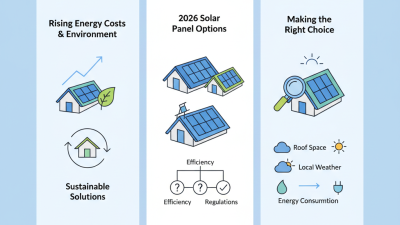
Choosing the right solar panels for your home is crucial. Many options exist, making the process overwhelming. Among these options, "top rated solar panels" stand out due to their efficiency and reliability. They not only generate more electricity but often come with strong warranties and support.
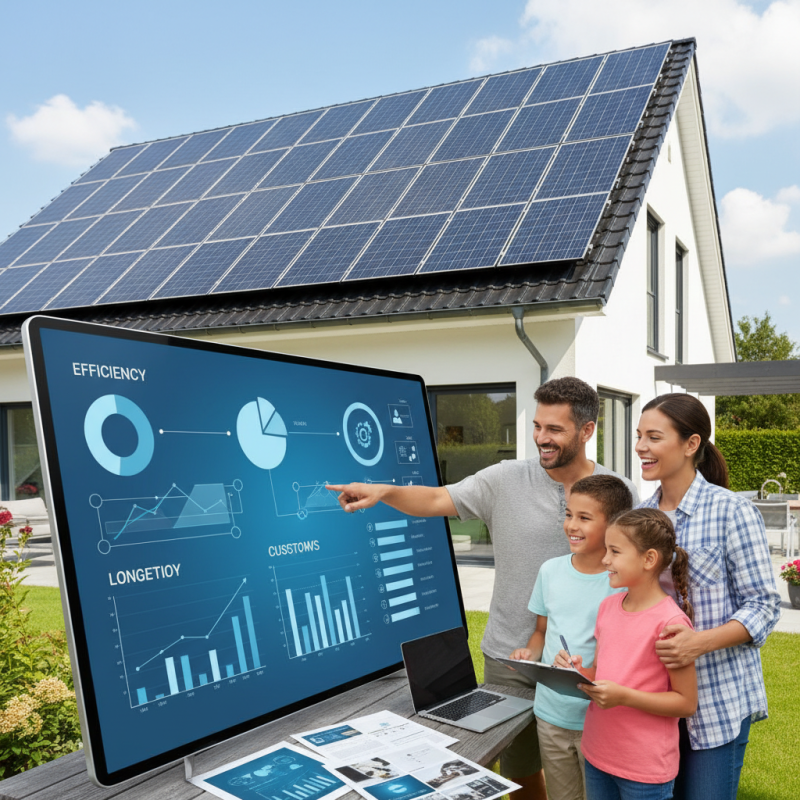
However, understanding the nuances of solar panel ratings can be challenging. What does “top rated” truly mean? Efficiency, longevity, and customer reviews play significant roles. It’s essential to examine these factors carefully. Consider your specific energy needs, installation space, and budget constraints.
Don’t rush into a decision. Take your time to research various brands and models. Reading customer testimonials can offer insight into real-life performance. Even well-rated panels may have drawbacks. It’s vital to remain objective and aware of the limitations as well. A balanced approach will help ensure your investment provides long-term benefits and satisfaction.
Understanding Solar Panel Ratings and Certifications
When considering solar panels,
certifications matter. Look at the ratings from independent organizations.
These ratings indicate performance reliability. Panels with higher ratings
often offer better efficiency and lifespan.
Solar panels are often rated by efficiency,
temperature coefficient, and durability. Efficiency shows how well a panel converts
sunlight into electricity. The temperature coefficient indicates performance in extreme weather conditions.
Durability reflects how resistant a panel is to physical damage.
Tips: Always check for certifications like UL or IEC.
These ensure panels meet quality standards. Ask for performance data in different weather scenarios.
It helps in assessing real-world performance. Don’t solely depend on marketing materials; seek
third-party reviews.
Remember, not all high-rated panels are perfect. Every type has pros and cons,
requiring careful consideration.
Comparing Different Types of Solar Panels: Monocrystalline vs. Polycrystalline
When considering solar panels for your home, understanding the differences between
monocrystalline and
polycrystalline panels is crucial.
Monocrystalline panels are made from a single crystal structure. This often makes them more efficient and space-saving.
They usually have a sleek black appearance, appealing for many homeowners. However, they can also be more expensive than their counterparts.
Polycrystalline panels, on the other hand, consist of multiple crystal structures. This leads to a less efficient performance, particularly in low-light conditions.
They tend to have a bluish hue and may require more space due to their larger size. A potential drawback is their lower energy output compared to monocrystalline panels.
Homeowners must weigh these considerations against their budget and space constraints.
Both types have merits and flaws. Your choice depends on specific needs and conditions.
Reflecting on your energy requirements and roof's orientation can help clarify the decision.
While one might lean towards efficiency, the other offers a cost-effective solution.
It's essential to assess these aspects comprehensively.
Evaluating Solar Panel Efficiency and Performance Metrics
When selecting solar panels, efficiency and performance metrics become crucial.
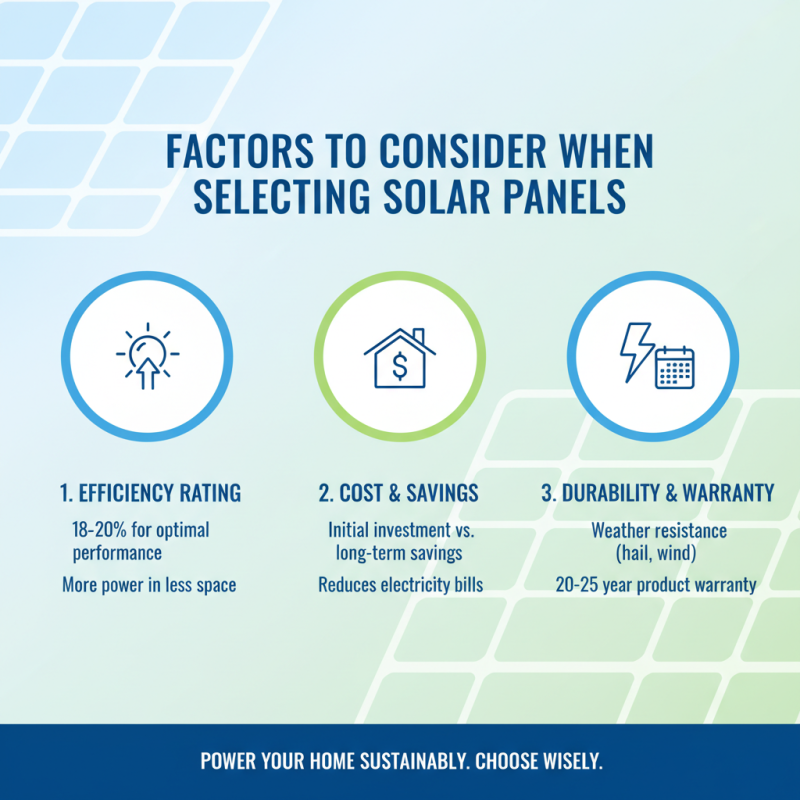
Efficiency measures how well a panel converts sunlight into usable electricity. A higher efficiency rating means more power generation in limited space.
Most panels range from 15% to 22% efficiency. Homeowners with constrained roof space should prioritize panels with the best ratings.
Performance metrics evaluate aspects like temperature coefficient and degradation rate.
The temperature coefficient indicates how a panel performs in high heat. Panels with a lower coefficient maintain better efficiency in warm climates.
Degradation rate reflects how much power output declines over time. Ideally, a panel should lose no more than 0.5% efficiency annually.
While these metrics provide valuable insights, they do not tell the whole story. Real-world performance can differ based on installation and environmental factors.
Local weather conditions, shading, and installation angle can all affect energy output. Thus, it’s essential to consider these factors alongside efficiency ratings.
Don't solely focus on numbers; evaluate how these panels will function in your specific situation.
Assessing Warranty and Lifespan of Solar Panels
When choosing solar panels, understanding warranty and lifespan is crucial. Most reputable manufacturers offer warranties ranging from 10 to 25 years. These warranties cover performance and material defects. A longer warranty often indicates a company's confidence in its product. Always check what the warranty covers. Does it include labor costs? Are there exceptions? These details really matter.
Lifespan for solar panels generally falls between 25 to 30 years. Some panels may last even longer, depending on their build quality and maintenance. However, performance degradation occurs over time. Panels typically lose about 0.5% efficiency each year. After 25 years, your panels may operate at 75-85% efficiency. Factors such as weather conditions and installation quality play a significant role in determining actual lifespan.
Research is vital when evaluating warranties. Not all warranties are created equal. Different manufacturers have varying reputations for honoring their warranties. Look for third-party reviews and customer experiences. They provide valuable insights. It’s not just about the numbers; it’s about trust. Understand what might happen if the panels don’t perform as expected. Being well-informed will help you make a better decision.
Comparison of Solar Panel Warranties and Lifespan