Understanding the solar power system cost in China requires more than checking a panel price online. A complete quotation may include modules, inverters, mounting structures, cables, labor, permits, transport, and commissioning. Battery storage can change the budget dramatically. A grid-connected rooftop system usually costs less than an off-grid setup with several storage units.
Market prices vary by project size, city, roof condition, and equipment quality. A small household system may use 5 to 10 kilowatts, while a factory installation can exceed one megawatt. In practical quotations, panels often represent only part of the final investment. Installation access matters too. A flat concrete roof may need extra supports, ballast, and waterproofing work. A sloped metal roof can require different clamps and safety procedures.
The figures can look simple. They are not.
Reliable research should compare at least three detailed quotations from qualified Chinese suppliers or installers. Check product certifications, warranty terms, efficiency ratings, and after-sales support. Ask whether the price includes taxes, delivery, monitoring equipment, and grid connection services. These details can prevent an attractive quote from becoming an expensive surprise.
There is no single national answer to China’s top solar system price. Costs move with component supply, exchange rates, labor conditions, and battery technology. Some online estimates may be outdated or incomplete. That is worth admitting. A realistic evaluation should examine lifetime energy production, maintenance, replacement risks, and local electricity tariffs, not only the initial payment. This guide explores those factors and explains how buyers can assess value with greater confidence.
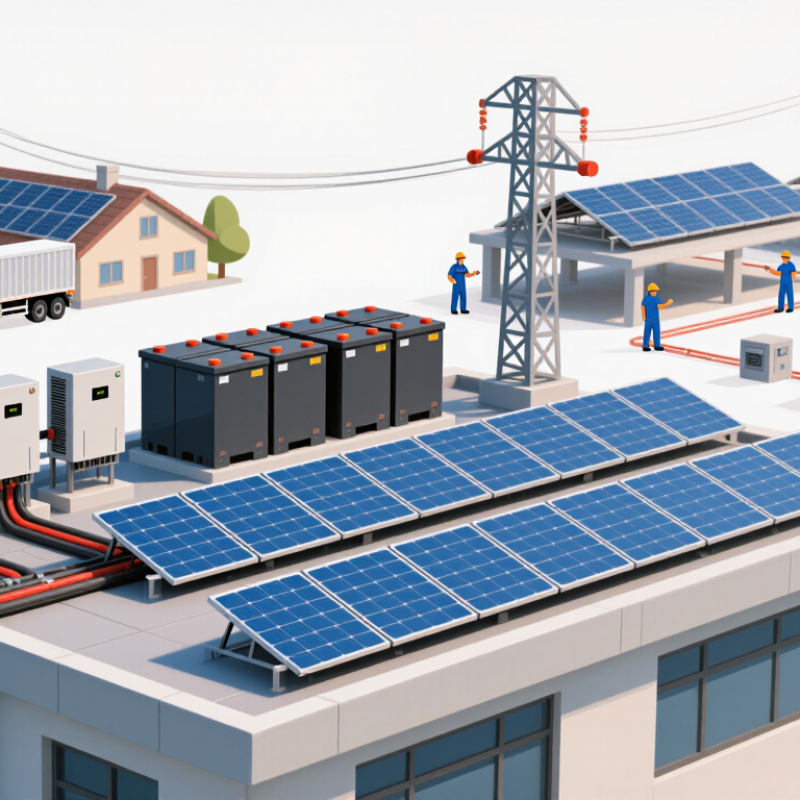
The cost depends on system size, equipment quality, roof conditions, and local installation rates. A typical 3–10 kW household system may cost about RMB 18,000–80,000 before subsidies or battery storage. Storage changes everything. A lithium battery can add a major share to the final quotation, especially when backup power is required.
Panel efficiency matters, but it is not the only concern. Inverter capacity must match the array and household load. Mounting structures vary for concrete roofs, metal roofs, and ground installations. Location matters. Labor, transport, sunlight levels, and grid-connection requirements differ between coastal cities and inland areas. In a practical site assessment, engineers should check roof shading at different times, not only during the first visit.
A low quotation can look attractive, yet it may exclude cables, protection devices, monitoring equipment, or maintenance. Ask for an itemized proposal with product specifications, installation scope, warranty terms, and expected annual output. Some estimates also assume perfect sunlight, which is unrealistic during rainy seasons or dusty conditions. The most useful comparison is cost per usable kilowatt-hour, not the cheapest purchase price. A careful buyer should also leave space for future repairs, because even well-designed systems can suffer from inverter faults, loose connections, or battery aging.
China Top Solar Power System Cost How Much?
For a typical rooftop solar system in China, photovoltaic modules often represent 35% to 50% of the total price. Their cost depends on efficiency, production volume, and delivery distance. Inverters usually account for 8% to 15%. Mounting structures, rails, and fasteners add another 8% to 12%. These parts look small individually, but roof conditions can change the installation cost quickly.
Cables, connectors, switches, and protection devices commonly consume 5% to 10% of the budget. Engineering design, labor, testing, transport, and installation may take 10% to 20%. A grid-connected system without storage can cost roughly 450 to 900 US dollars per kilowatt, depending on project size and specifications. Small rooftops often cost more per kilowatt.
Battery storage changes the calculation significantly. Batteries and their control equipment may represent 20% to 40% of the total system price. A larger battery increases cost, weight, and installation requirements. These percentages are practical estimates, not fixed rules. A spreadsheet can still mislead. For example, a low module price may hide higher labor or roof reinforcement costs. Local quotations should separate equipment, installation, taxes, transport, and after-sales service. I would also question unusually cheap offers. What was excluded?
Solar system costs in China vary by capacity, installation conditions, and storage requirements. A 1 kW grid-connected residential system usually costs about RMB 4,000–7,000. This may include panels, an inverter, mounting rails, cables, and basic labor. For a 5 kW home system, the estimated total is often RMB 20,000–35,000. A tiled roof may require extra waterproofing work.
Battery storage changes the equation. A 5 kW hybrid system with a 10 kWh lithium battery can cost roughly RMB 55,000–90,000. Off-grid systems are usually more expensive because they need larger batteries and backup controls. Rural homes, small farms, and remote workshops may spend RMB 70,000–130,000 for a 10 kW off-grid installation. Battery replacement remains a real long-term cost.
Commercial projects benefit from larger capacity. A 100 kW rooftop system may range from RMB 280,000–500,000, while a 1 MW project can cost approximately RMB 2.4–4 million. Prices depend on roof structure, grid connection, engineering work, and local labor rates. These figures are practical estimates, not fixed quotations. A clean spreadsheet can still miss crane access, roof reinforcement, or winter shading. I would request a detailed equipment list, generation forecast, warranty terms, and installation scope before comparing offers.
Installation, Grid Connection, and Maintenance Expenses
In China, a 5-kilowatt household solar system often costs about 20,000 to 40,000 RMB. The final price depends on roof structure, equipment quality, labor, and local conditions. A simple concrete roof usually needs less labor than an old tile roof. Small roofs matter.
Installation may add 4,000 to 10,000 RMB. Workers must inspect roof strength, arrange cable routes, install mounting structures, and test electrical protection. A professional team should provide a load assessment and clear wiring records. Cutting installation time can create leaks or unsafe cable connections. That shortcut is rarely worth it.
Grid connection normally requires an application, technical documents, meter inspection, and acceptance testing. In many residential projects, the utility handles basic connection work without a separate customer charge. However, long cable runs, transformer upgrades, or difficult access can create extra expenses. Ask for written confirmation before signing a contract. Rules differ between provinces and even local service areas.
Annual maintenance commonly costs 500 to 1,500 RMB, excluding major repairs. Technicians may inspect connectors, clean panels, check inverter data, and test grounding. Dust, bird droppings, and nearby construction can reduce output. Cleaning twice yearly may be practical in dusty areas, but frequent washing wastes water. Solar production estimates also need caution. A roof shaded after 3 p.m. may generate far less electricity than a calculator predicts. Keep inspection reports, electricity bills, and repair invoices for realistic performance tracking.
Estimating the total cost of a solar power system in China requires more than multiplying capacity by a quoted price. A practical estimate includes panels, inverters, mounting structures, cables, installation, permits, grid connection, and taxes. Storage adds another major cost. Roof repairs or reinforcement may also appear later. That gap matters.
For a first calculation, use this formula:
system capacity × local installed cost + optional battery cost + site-specific expenses.
A 5 kW rooftop system may require roughly RMB 20,000–35,000 before storage, depending on equipment quality, roof design, and installation conditions. This is an indicative range, not a universal quotation.
IRENA’s Renewable Power Generation Costs report shows utility-scale solar costs reached about USD 691 per kW globally in 2023, but small Chinese projects usually face higher unit costs because fixed expenses are spread across fewer kilowatts.
Energy yield must be checked separately. China’s regional sunlight conditions differ sharply. A 5 kW system might generate around 5,000–7,000 kWh annually, before shading and system losses.
IEA PVPS reported that China added approximately 217 GW of solar capacity in 2023, showing strong market scale and falling equipment prices. Still, cheap hardware does not guarantee the lowest total cost. My early estimates often ignore roof access, cleaning, and export limits. A reliable quote should include these details, a realistic annual output, warranty terms, and a sensitivity test for lower sunlight.